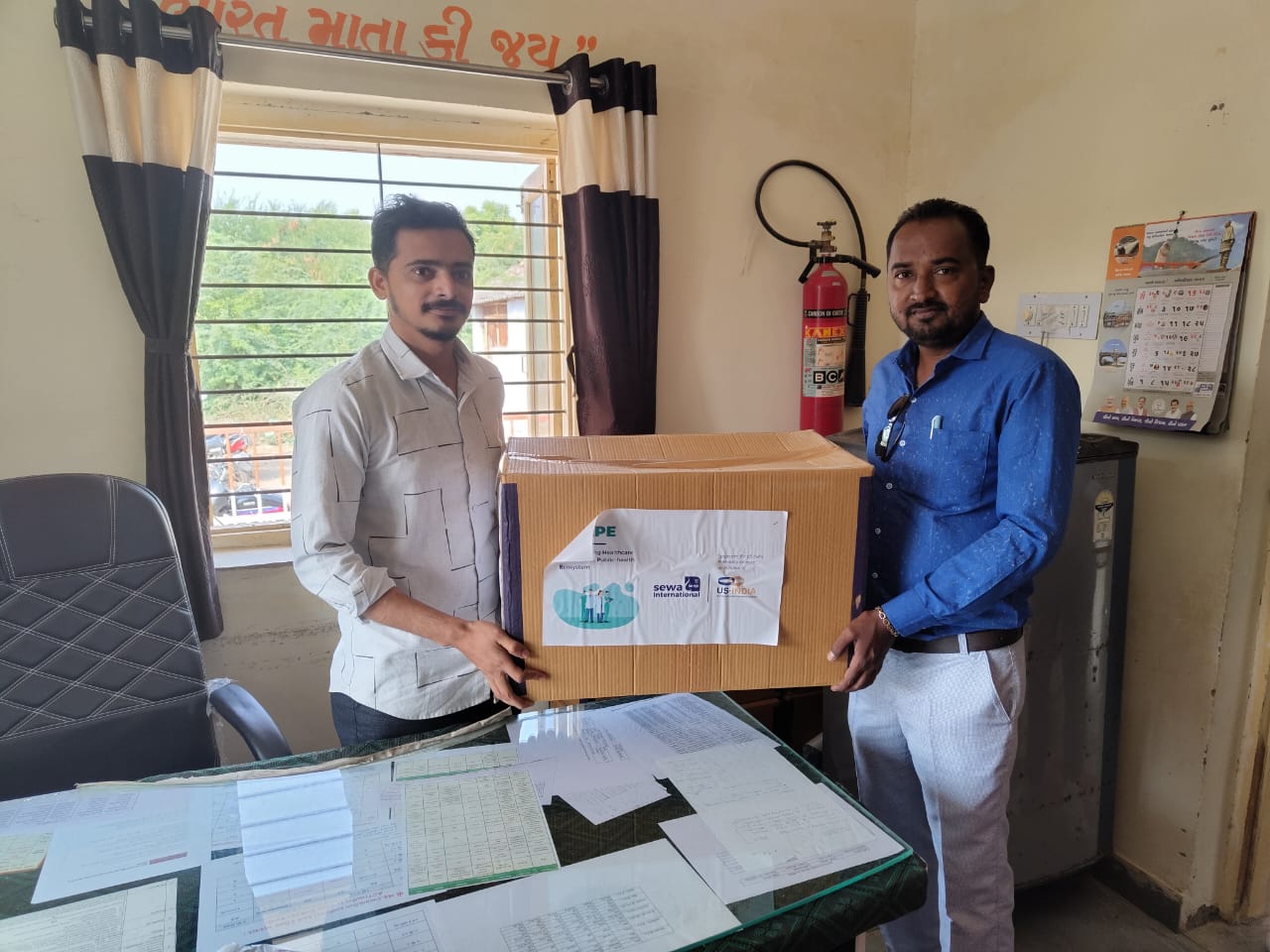
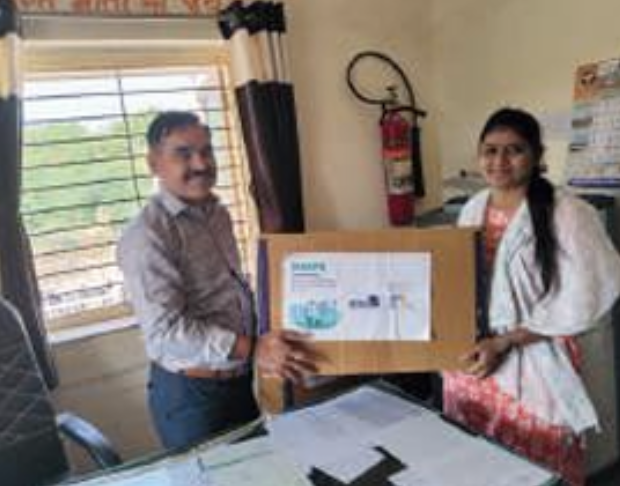
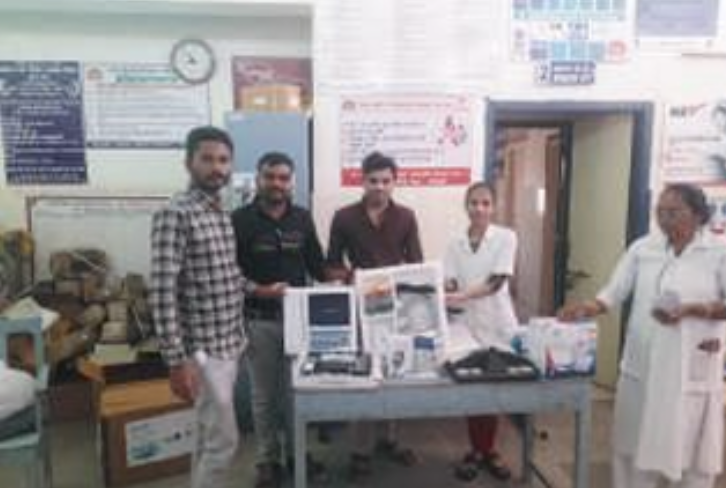
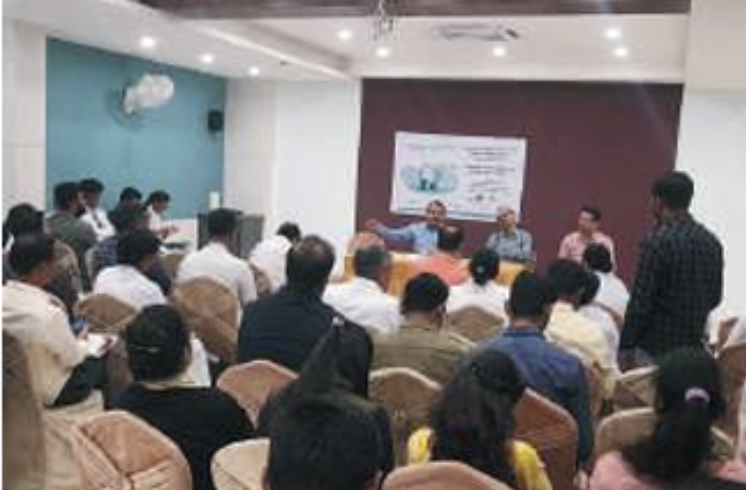
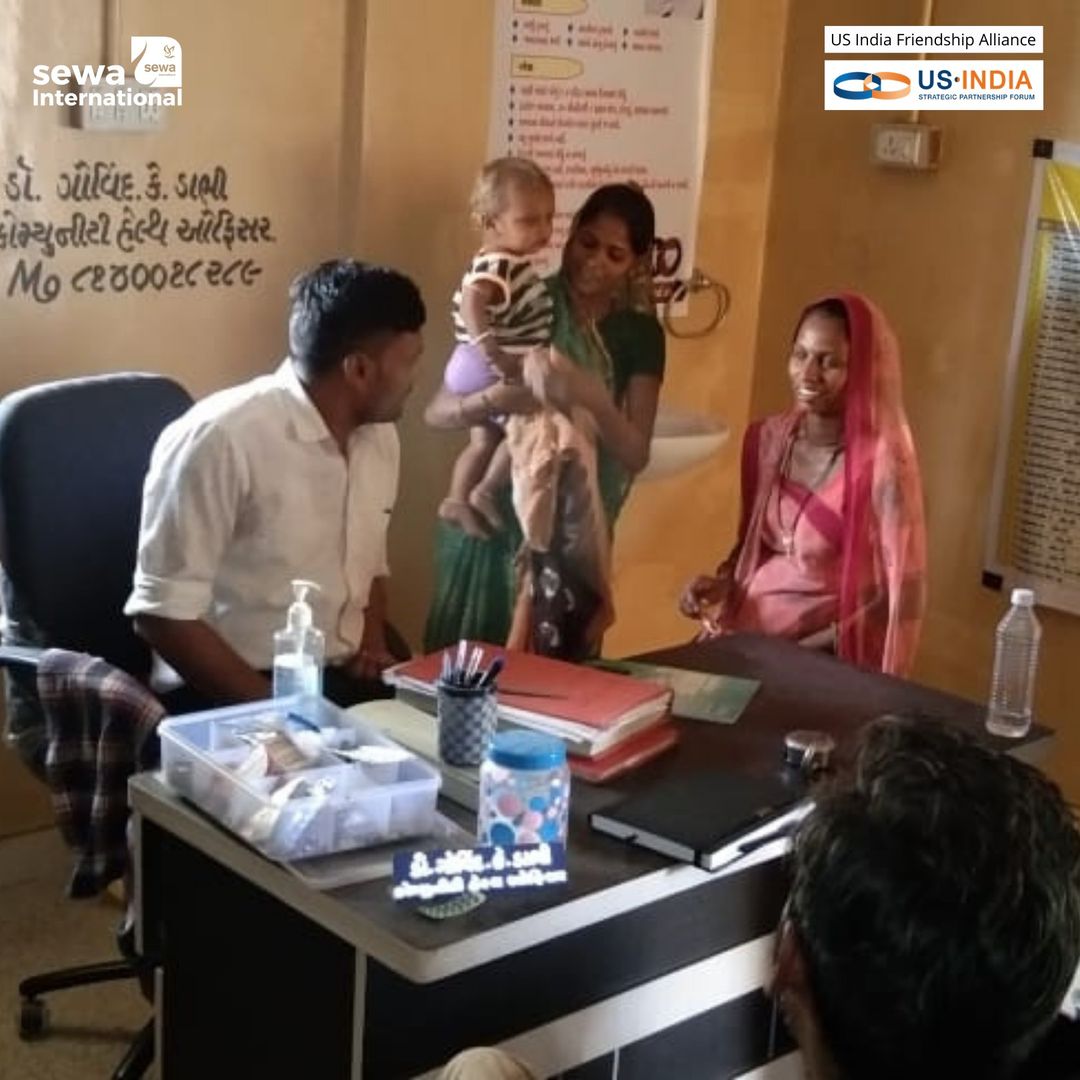
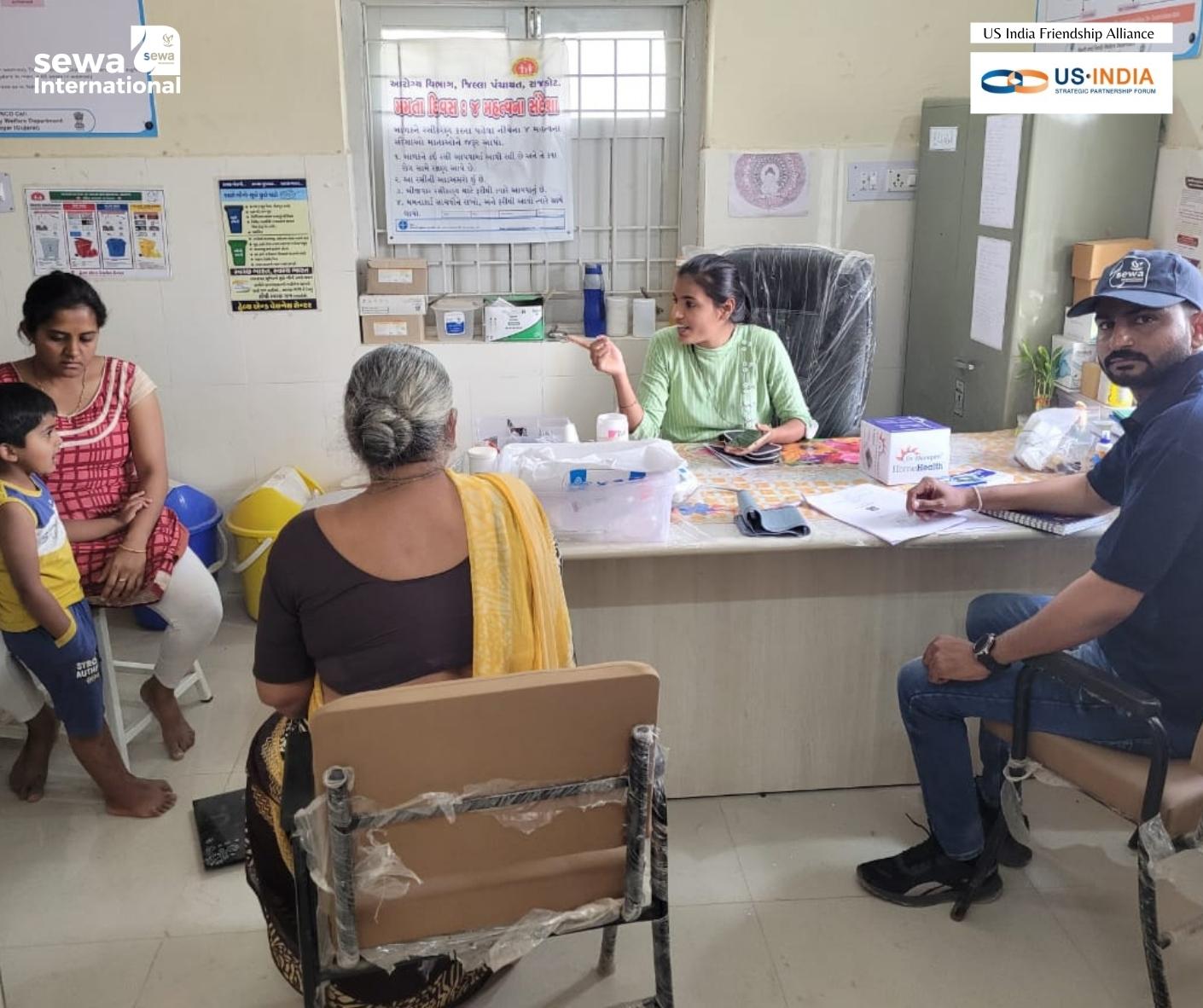
The Strengthening Healthcare Amenities in Public Health Ecosystem (SHAPE) initiative was a collaboration between USISPF, SEWA International, and the Jhalleshvar Philanthropic Charitable Trust. The initiative focused on the dissemination of preventive and curative health awareness, modernizing local health centers, and enhancing the competence of frontline health professionals to ensure the health of the local populace. It aimed to improve the quality of life of the most marginalized groups in the most remote and underserved regions of Gujarat by providing greater healthcare access in the region.
The COVID-19 pandemic underscored the urgent need to bolster India’s primary healthcare (PHC) system to withstand future health crises and support long-term global health goals. Key priorities included improved data systems for early detection of health threats, enhanced infrastructure, consistent electricity and water supply, and the integration of solar energy solutions. Empowering frontline healthcare workers, particularly Accredited Social Health Activists and paramedical staff, through training, equipment, and digital tools is critical to expanding outreach and diagnostic capacity.
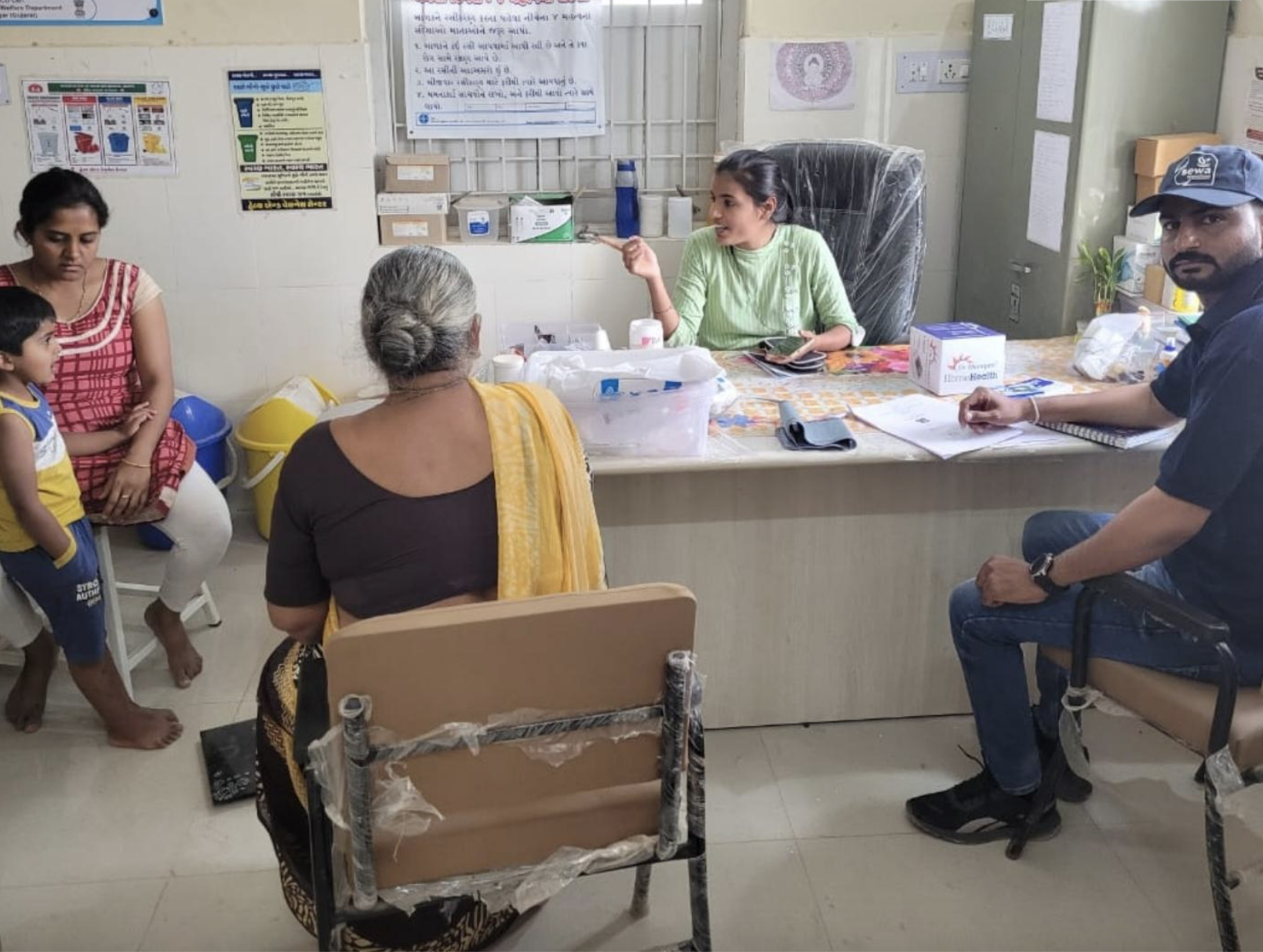
With the shared vision of building resilient healthcare systems at the grassroots level, the US-India Strategic Partnership Forum (USISPF), SEWA International, and Jhalleshvar Philanthropic Charitable Trust successfully implemented a high-impact primary healthcare project across Gujarat. The initiative covered 50 villages across 3 blocks in 2 districts, reaching over 400,000 community members with essential health services.
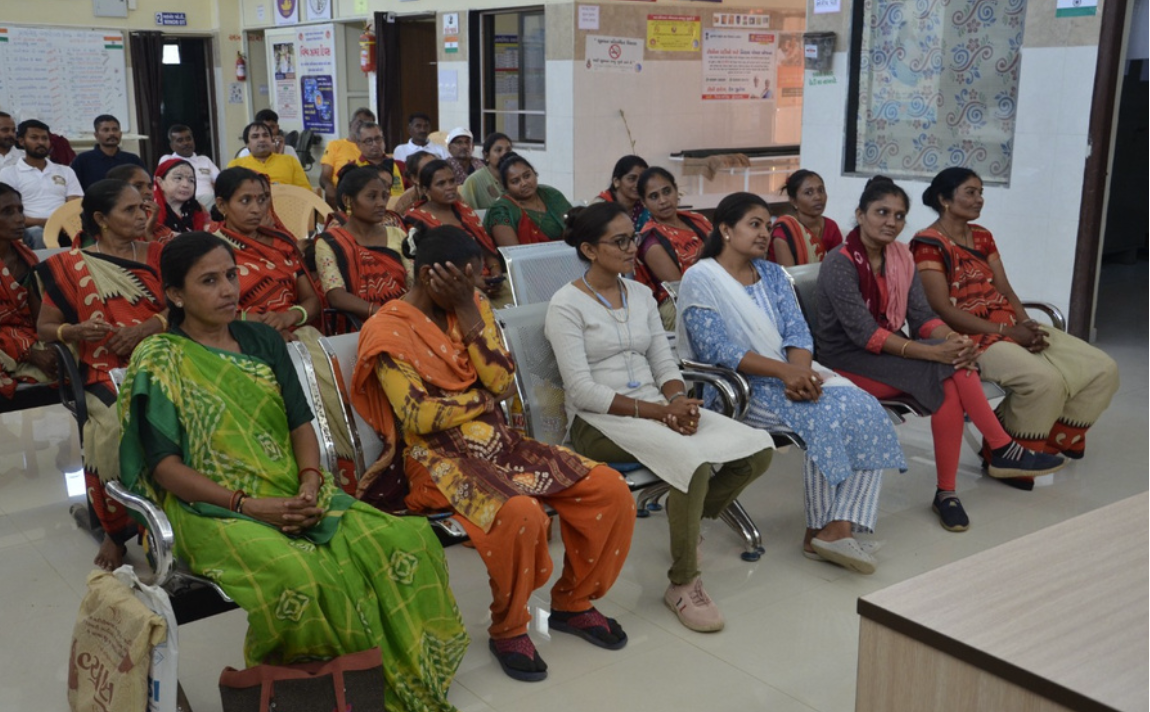
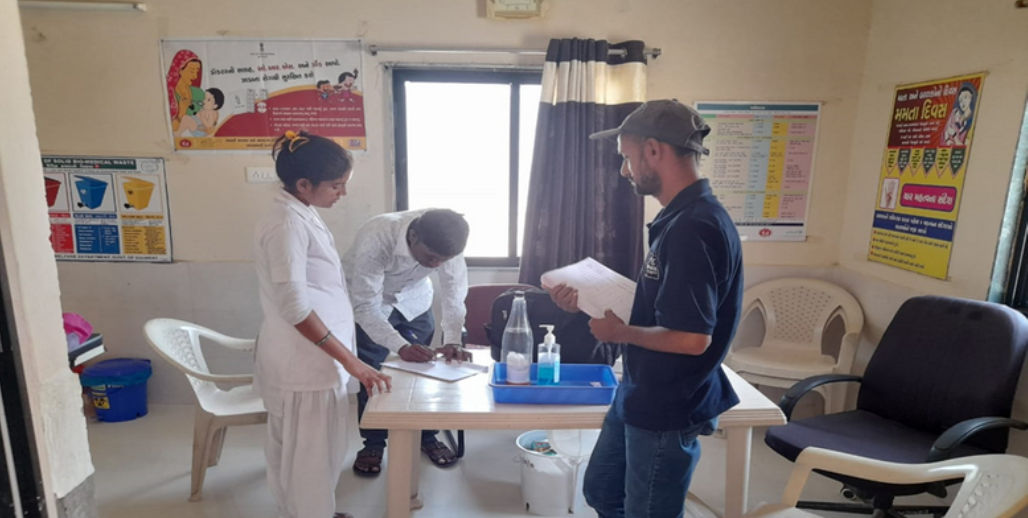
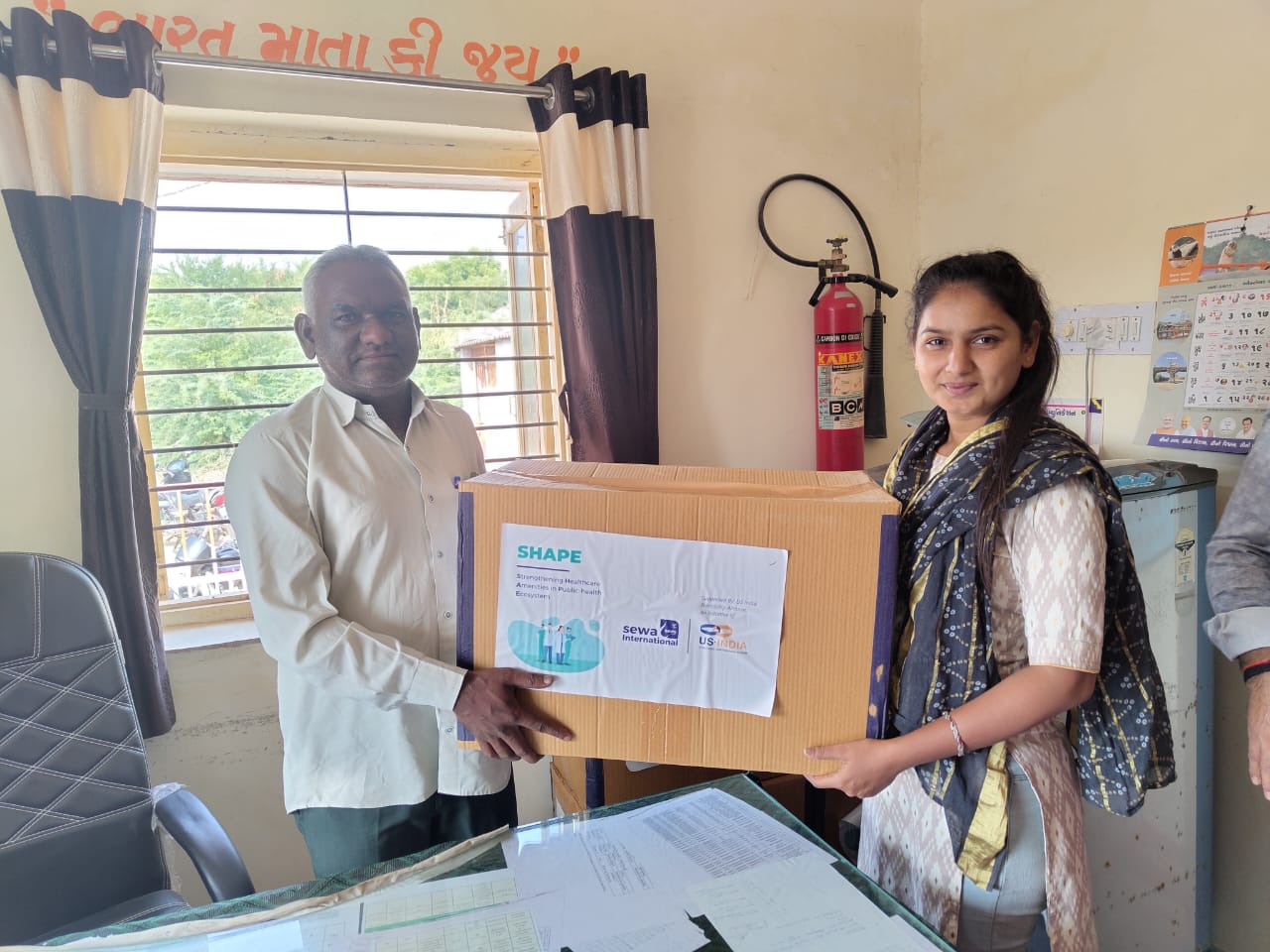
A cornerstone of the project was capacity building, with 185 primary healthcare workers trained to effectively respond to local health needs. The intervention also strengthened the healthcare infrastructure by upgrading nine Primary Health Centres (PHCs) and 50 Sub-Centers, ensuring more accessible and higher-quality care for rural populations.
This collaborative effort, in partnership with JPCT, the Government of Gujarat Health Department, and Delhi University, emphasized the importance of a multi-stakeholder approach in public health delivery. The project has not only improved access to healthcare but has also enhanced local health systems’ ability to manage current and future public health challenges.
Through strategic investments, community mobilization, and infrastructural support, USISPF, SEWA International, and Jhalleshvar Philanthropic Charity Trust demonstrated how public-private partnerships can transform primary healthcare delivery and empower communities to lead healthier lives. The learnings from this project highlighted the need for targeted investments in healthcare personnel, technology, and public awareness campaigns, reaffirming primary care as the cornerstone of a healthier, more equitable future for India and beyond.